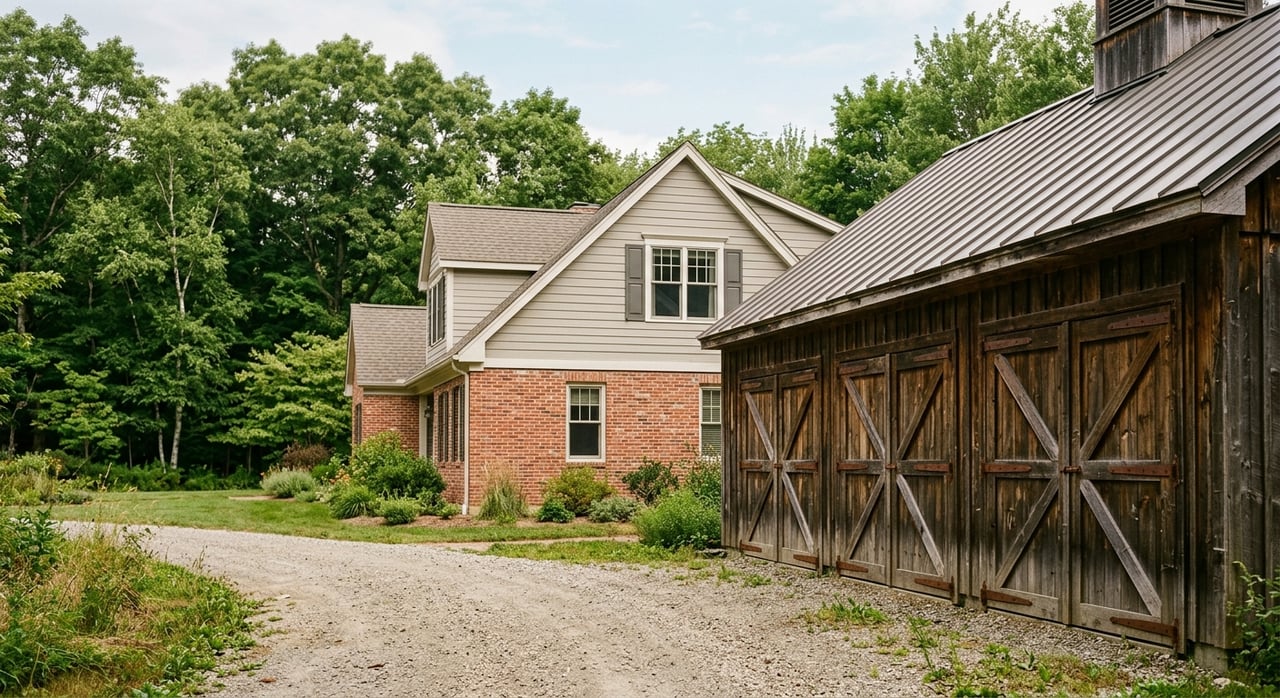
If you want more room to breathe without giving up everyday convenience, Simpsonville deserves a close look. This part of Shelby County offers the horse-country setting many buyers picture when they think about acreage living, but it also keeps you within practical reach of Louisville and daily essentials. Whether you are dreaming about a small horse property or simply want land with flexibility, understanding how acreage works here can help you buy smarter. Let’s dive in.
Why Simpsonville Appeals to Acreage Buyers
Simpsonville has a strong equestrian identity that is hard to miss. The city describes itself as being just minutes from Louisville and surrounded by premier American Saddlebred horse farms. Shelby County tourism materials go even further, calling the area the American Saddlebred Horse Capital of the World and noting that more than 90 Saddlebred horse farms are located throughout the county.
That identity matters because it shapes the lifestyle you are buying into. In Simpsonville, acreage living is not just about having a larger yard. It is about being in a place where open land, barns, turnout areas, and horse facilities are part of the local landscape.
Horse-Country Lifestyle in Simpsonville
One of the biggest advantages of living near Simpsonville is that the equestrian lifestyle is already part of the area. Shelby Trails Park offers more than 400 acres and 21 miles of trails in Simpsonville. That gives horse-minded buyers a clear example of the area’s connection to riding and outdoor recreation.
Red Fern Riding Center, also located there, offers guided trail rides, lessons, horse training, and full-care boarding. Across Shelby County, horse-focused properties and stays also highlight amenities like stalls, private turnout, and outdoor arenas. For buyers, that helps paint a realistic picture of the kinds of features that often matter most on a small equestrian property.
What Makes Acreage Actually Usable
Acreage can look great online and still fall short in day-to-day function. If you are considering land for horses or hobby-farm use, the layout and infrastructure often matter more than the total number of acres. A property that supports daily care well can be more practical than a larger tract with poor setup.
University of Kentucky guidance points to a few basics that matter right away: safe fencing, fresh water, shade, and enough pasture space for horses to move normally. Those are not luxury add-ons. They are the building blocks of a usable property.
Focus on Function First
When you tour acreage around Simpsonville, pay attention to how the land works. Ask yourself whether there is fenced turnout, whether water access seems reliable, and whether the pasture is arranged in a way that could support rotation. These details have a direct impact on both care and maintenance.
UK materials also recommend a separate sacrifice area, sometimes called a dry lot, for wet periods or times when pasture growth is low. That can help protect grazing areas from overuse. It is one of those practical features that may not stand out in listing photos, but it can make a big difference over time.
High-Traffic Areas Matter
Many buyers focus on fields and overlook the spots that take the most wear. Areas around gates, waterers, and feeding locations often need hardened surfaces because grass usually will not hold up there for long. If those areas are poorly managed, mud and maintenance can become a constant issue.
This is one reason small equestrian properties require more than a scenic setting. You want land that supports movement, care, and seasonal changes without creating avoidable problems.
How Much Land Do You Need?
This is one of the most common acreage questions, and the answer is not one-size-fits-all. According to University of Kentucky guidance, the amount of land needed per horse depends heavily on soil quality, slope, and management. In the highest-productivity Kentucky soils, one mature horse may be supported on 2 acres or less, while lower-productivity soils with steeper slopes may require 10 or more acres per horse.
That is a wide range, and it shows why buyers should be careful about simple acreage rules of thumb. Two properties with the same acreage may perform very differently depending on pasture quality, drainage, and how the land is managed.
Acreage Is Only Part of the Story
A larger parcel is not always the better fit. If the land has steep slopes, limited usable pasture, or poor layout, you may not get the flexibility you expected. On the other hand, a well-planned property with quality pasture and practical infrastructure may support your goals more efficiently.
UK guidance also defines lower stocking pressure as more than 2 acres per mature horse and higher stocking pressure as less than 2 acres per mature horse. That gives buyers a useful frame of reference, but it still helps to evaluate each property individually.
Pasture Management in Shelby County
Acreage living around Simpsonville often comes with an ongoing land-management component. In this part of Kentucky, horse pastures commonly use cool-season grasses such as Kentucky bluegrass, orchardgrass, timothy, and tall fescue. If you are buying acreage, pasture quality should be part of your due diligence.
University of Kentucky Extension recommends soil testing pastures every 2 to 3 years and adjusting fertilizer and grazing plans based on the results. That is a helpful reminder that owning land is not just about buying space. It is also about maintaining that space so it stays healthy and useful.
Rotation and Stewardship
Rotational grazing can help reduce pasture stress and improve long-term usability. Portable electric fencing is one tool often used to make rotation easier. Even on smaller acreage, having a plan for movement and rest periods can help preserve forage.
This matters because high-quality pasture may provide most of the nutrients needed for horses in maintenance or light work for much of the year. Good management supports both the land and the day-to-day experience of owning it.
Zoning, Permits, and Rural Practicalities
Before you buy acreage near Simpsonville, it is smart to confirm what will be required if you want to add or change structures. For property outside city limits, Shelby County Planning and Zoning handles permits, subdivision and development review, and code enforcement. The county’s Agricultural District is intended to maintain agricultural endeavors in unincorporated Shelby County, and permitted uses include agricultural land use and single-family detached dwellings.
That local framework matters if you are considering a barn, utility upgrades, or other site improvements. Shelby County states that permits are required for most new or altered structures and for regulated electrical, gas, mechanical, or plumbing work. The county also notes that fences up to 7 feet high are exempt, and shade cloth structures built for nursery or agricultural purposes are also exempt.
Do Not Overlook Driveway Access
Acreage buyers sometimes focus so much on the home and land that they miss access requirements. Shelby County requires a driveway entrance permit for any new, modified, or relocated driveway that connects to a county road. If you are planning changes to access, this is an important point to verify early.
In practical terms, permit coordination is part of acreage ownership. The more clearly you understand those requirements before closing, the easier it is to plan improvements with confidence.
Everyday Convenience Near Simpsonville
One reason Simpsonville stands out is that the area feels rural without feeling cut off. The local lifestyle includes horse-country scenery, but it also includes day-to-day convenience. The 2024 ShelbyKY visitor guide notes that Simpsonville is home to the Outlet Shoppes of the Bluegrass, described as Kentucky’s only outlet shopping center with 90 designer outlets.
The same guide also points to a local coffeehouse and boutique, a seasonal farmers market, and the Shelby County flea market. For many buyers, that blend is the sweet spot. You can enjoy more land and a quieter setting while still keeping errands, shopping, and local stops within reach.
The Tradeoffs of Acreage Living
Acreage can be rewarding, but it is not hands-off. Fencing, water access, mowing, pasture rotation, manure management, mud control, and permit planning all become part of the picture. If you want land around Simpsonville, it helps to go in with clear expectations.
The upside is that this area offers a rare mix of strong equestrian identity, public riding access, and a practical Louisville connection. For buyers who want usable land in a true horse-country setting, Simpsonville stands out as one of Shelby County’s most compelling options.
If you are weighing acreage, horse property, or a move to Simpsonville, the right guidance can help you look past the photos and focus on how a property will actually live day to day. When you are ready to explore your options, connect with Sam Stone for local insight and a clear plan.
FAQs
What makes Simpsonville, KY appealing for equestrian living?
- Simpsonville offers a strong horse-country identity, is surrounded by Saddlebred farms, has access to Shelby Trails Park, and provides practical proximity to Louisville.
What should you look for in a Simpsonville acreage property for horses?
- Focus on usable features like safe fencing, fresh water, shade, pasture layout, fenced turnout, and space for a sacrifice area or dry lot.
How many acres do you need per horse in Shelby County?
- It depends on soil quality, slope, and management, with University of Kentucky guidance indicating that some Kentucky land may support one horse on 2 acres or less while lower-productivity land may require 10 or more acres per horse.
What pasture features matter on acreage near Simpsonville?
- Buyers should look at pasture quality, potential for rotational grazing, condition of high-traffic areas, and whether the land appears manageable through wet and dry seasons.
What permits may matter for acreage property in Shelby County?
- Shelby County requires permits for most new or altered structures and certain utility-related work, and a driveway entrance permit is required for new, modified, or relocated driveways connecting to county roads.
Is Simpsonville acreage living convenient for everyday needs?
- Yes, Simpsonville combines a rural setting with access to shopping, local businesses, seasonal markets, and a short connection to Louisville.