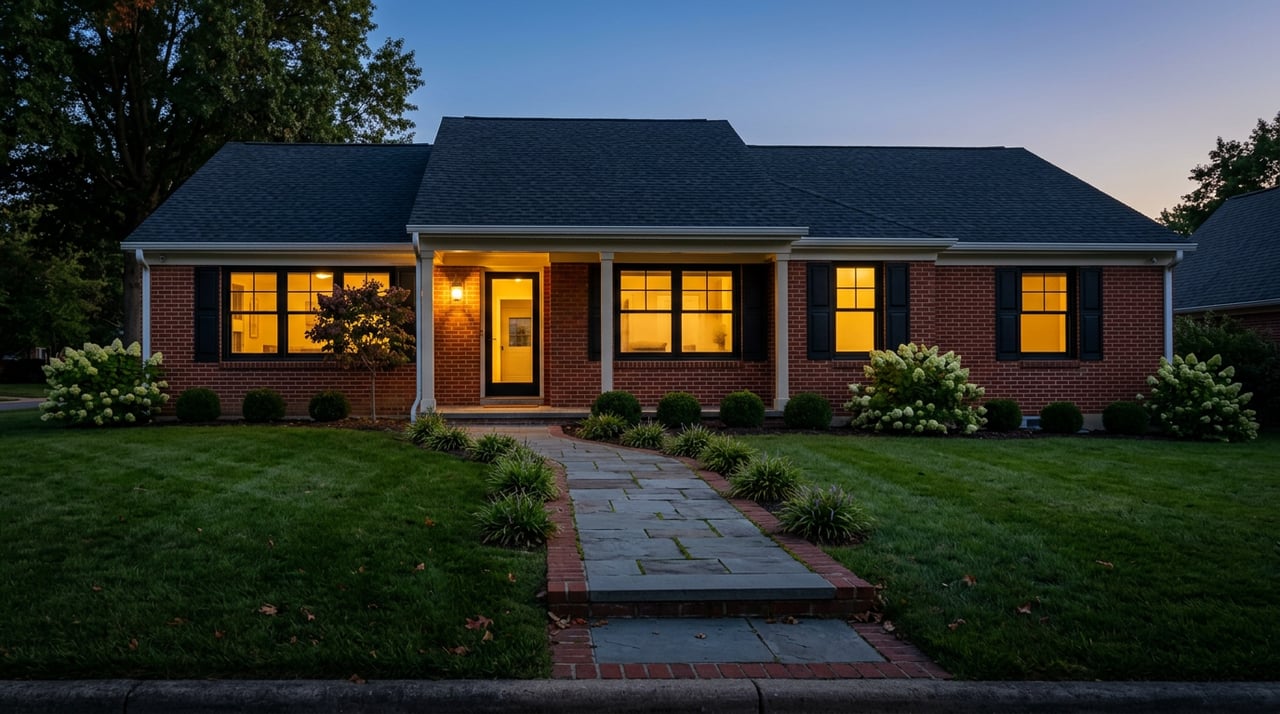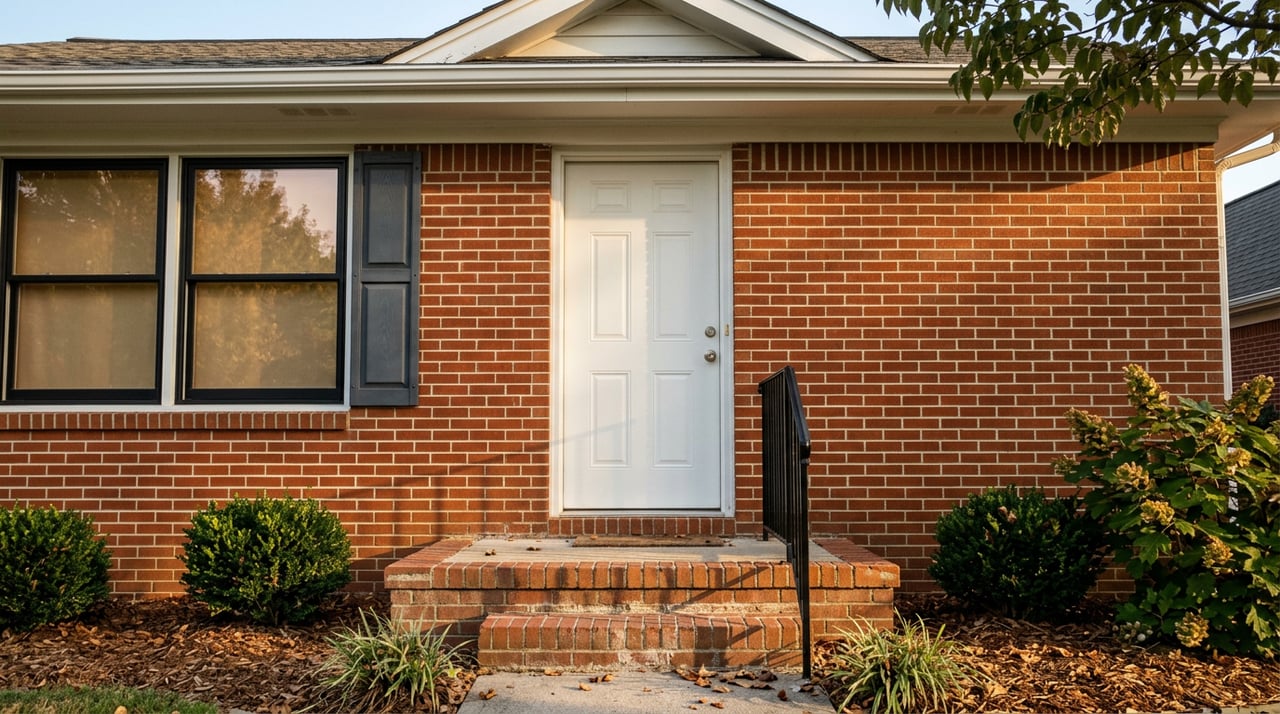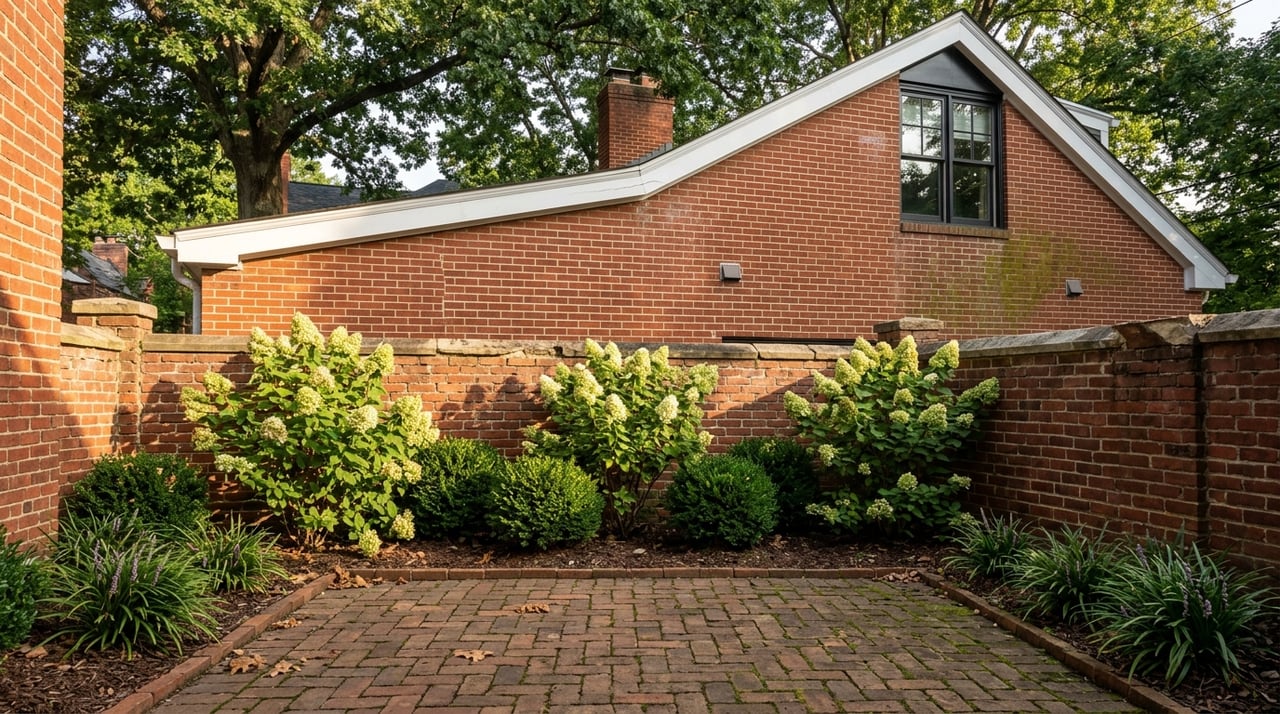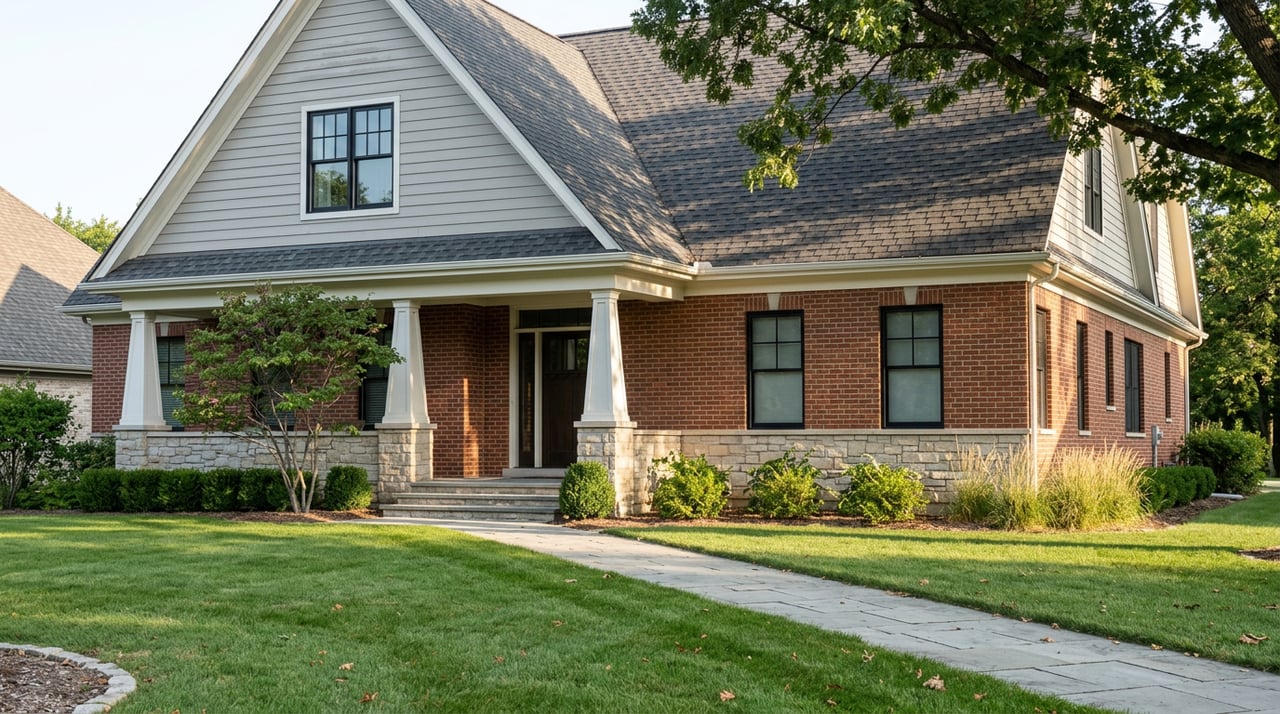
If you're paying $700,000 or more for a new-construction home on a one-acre lot in Pewee Valley, does that price include a connection to the city sewer system? In most of Kentucky's affluent suburbs, the answer is an easy yes. In Pewee Valley, it often isn't.
Take The Coterie at Denison Lane, a six-lot enclave of new estate homes tucked into the historic core of town. The development's own listing sheet spells out the utility package: electric, natural gas, city water, and septic. Not municipal sewer. Septic. This is a subdivision built to modern luxury specifications, with minimum floor areas starting at 2,200 square feet for a one-story home and climbing to 2,900 square feet for a two-story build, and it still routes wastewater through a tank and drain field rather than a pipe to a treatment plant.
That detail matters more than it sounds like it should, because it changes what happens between contract and closing.
Why a historic small city still runs on tanks
Pewee Valley sits on the western edge of Oldham County, a few miles from where Louisville's Metropolitan Sewer District boundary ends. A regional wastewater planning study covering the county has long counted only four public sewer providers serving Oldham County residents: the city of La Grange, the city of Goshen, MSD (which handles treatment for the western part of the county), and Crestwood, which collects wastewater but sends it to MSD for treatment. Pewee Valley itself was identified in that study as one of the county's service gaps still needing public sewer extension, and the pattern it described hasn't fully closed since.
Local septic service providers working in Pewee Valley today describe homeowners as still "moving to municipal sewer systems as access becomes available," which is a polite way of saying the process remains incomplete rather than finished. Current listings back this up. A home currently for sale in Pewee Valley lists a septic system replaced in 2025 as a recent capital improvement, the same way another home might list a new roof or water heater. The city's established subdivisions, including Confederate Estates, Clovercroft, and Tuliphurst, sit inside this same patchwork, where some properties tie into public water and sewer and others still rely on a private well or septic system depending on when and where they were built.
The price of a Pewee Valley home tells you almost nothing about which utility setup it has. A starter ranch and a seven-figure custom build can share the same tank-and-drain-field arrangement.
What Kentucky actually makes you disclose
Kentucky's mandatory seller disclosure form doesn't let you skip past this. Sellers are required to state the source of the property's water supply and the type of sewage service, whether that's public sewer, septic, or lagoon, along with the system's current condition and any known failures or backups. As Nolo's plain-language guide to Kentucky disclosure law puts it, sellers aren't required to hire an engineer to verify the septic system before listing. You disclose what you know from having lived there. But the form's catchall "other conditions" question means a seller who knows about a slow drain field or a tank that's never been pumped can't simply leave the box blank and hope no one asks.
For a buyer, that disclosure is the starting point, not the finish line. Kentucky's septic regulations, spelled out in Title 902 of the Kentucky Administrative Regulations, are enforced locally rather than from Frankfort. In Oldham County specifically, septic permitting doesn't run through the county's general Buildings & Inspections office, which explicitly states it does not issue plumbing, septic, or HVAC permits. Instead, it runs through the Oldham County Health Department's Environmental Services division, where a new onsite sewage permit costs $300 and requires a site drawing before approval. If you're buying resale and want to know the history of a specific system, that health department is where the paper trail lives.
Where financing gets specific
This is where the estate-lot buyer's due diligence checklist starts to look different from a buyer closing on a home three miles away in a fully sewered Louisville suburb. Loan type determines how much scrutiny the septic system gets before a lender will fund.
| Loan type | Well water requirement | Septic requirement |
|---|---|---|
| Conventional | Inspection only if an appraiser flags a concern | Inspection only if an appraiser flags a concern |
| FHA | Water test valid for 180 days; minimum flow of 3 gallons per minute; well must sit at least 50 feet from a septic tank and 100 feet from a drain field | Local health department approval; appraiser must note any visible sign of failure |
| VA | Water test valid for 90 days, must meet local or EPA standards | Full inspection required only if the appraiser or lender flags a concern; system must otherwise appear sanitary and functional |
| USDA | Water quality test required for any well-served property | Septic evaluation by a qualified party confirming capacity and compliance with local health standards |
A conventional buyer with strong credit might close on a septic property with no more scrutiny than a standard home inspection. A buyer using an FHA or USDA loan is walking into a file that requires a lab-certified water test, a documented distance check between the well and the tank, and in some cases a full evaluation before the underwriter will clear the loan to fund. On a property like the ones going up at Denison Lane, where city water removes the well-distance question but the septic system still has to pass muster, that leaves one fewer variable to manage but not zero.
None of this is a reason to avoid Pewee Valley. It's a reason to build the septic conversation into your timeline from the first showing, not the week before closing.
What sellers should actually budget
A pre-listing septic inspection in Kentucky typically runs $300 to $600, and a pumping record, if the tank hasn't been serviced recently, adds a similar amount. Sellers who go into a listing with a current inspection report and pumping receipts in hand aren't just checking a box. They're removing the single most common source of a mid-contract renegotiation on a property like this: a buyer's inspector finding a slow drain field or a tank that hasn't been touched in a decade and using it as leverage on price.
That matters even more given how fast homes are moving in Pewee Valley right now. Homes here have been selling in an average of 22 days on market, well under the national average of 57 days, and the median sale price over the past year climbed to $357,500, up roughly 9 percent year over year. Active listings skew higher at the moment too, with one local listing aggregator showing a median list price near $659,000 across current Pewee Valley inventory, a mix that includes the estate-lot new construction driving this conversation. A market moving that quickly doesn't leave much room to discover a septic surprise after you're already under contract. Sellers who front-load the paperwork close faster. Buyers who ask the septic question before they fall in love with the house negotiate from a stronger position.
A few questions worth asking before you tour
Does every home in Pewee Valley run on septic? No. City water reaches most of the town, and a portion of the housing stock is tied into public sewer. But septic remains common enough, including in brand-new construction on the city's estate lots, that it's worth confirming address by address rather than assuming based on price or age of the home.
Can I still get an FHA or VA loan on a Pewee Valley property with septic? Yes, in most cases. Government-backed loans don't prohibit septic systems. They just require documentation, a working system, and in the case of FHA and USDA, a water test and health department sign-off before the loan can close.
How do I find out if a specific address is on septic or sewer? The Oldham County Health Department's Environmental Services office maintains permit and inspection records tied to individual properties. For a home you're seriously considering, that office is the most direct way to confirm what's actually in the ground.
Pewee Valley's appeal has never been about infrastructure. It's about the tree-lined streets, the town square, the sense that you've landed somewhere with history attached to it. That appeal is real, and it isn't undercut by a septic tank. But if you're pricing out a move here, whether you're listing a fifty-year-old ranch in Confederate Estates or touring a new build at Denison Lane, the utility line on the listing sheet deserves the same attention as the square footage.
If you're weighing a sale or a purchase in Pewee Valley and want a straight answer about what's actually running under a specific address, Sam Stone can walk you through the disclosure, the health department records, and what your loan program will actually require before you write an offer. Get your instant home valuation or reach out to start the conversation before you're three weeks into a contract and just now asking the septic question.