Pull up four different home-value tools for Simpsonville, Kentucky, and you will get four different numbers for the same market. One site puts the median sale price at $265,000 in early 2026, down more than 22 percent from the year before. Another, tracking March 2026 closings, has it at $361,000, down less than one percent. A national marketplace's automated valuation model set the figure at $398,668 as of September 14, 2026, up 6.33 percent year over year. A fourth site's July 2026 asking-price median landed at $449,000, down 32 percent from the same month in 2025.
That is a $184,000 spread across sources reporting on the same zip code in the same calendar year. None of them are wrong. They are measuring different slices of a town that is, in practice, two housing markets sharing one address.
The Numbers, Side by Side
| Source type | Reported median | Time window | Year-over-year change |
|---|---|---|---|
| Flat-fee listing platform | $265,000 | Early 2026 | Down 22.1% |
| MLS-based housing tracker | $361,000 | March 2026 | Down 0.74% |
| AVM-based valuation aggregator | $398,668 | As of Sept. 14, 2026 | Up 6.33% |
| National marketplace, asking prices | $449,000 | July 2026 | Down 32% |
The gap between the low and high end of that table is not a data error. It is what happens when a market has too few transactions to smooth out its extremes, and a housing stock split between two very different buyers.
Why So Few Sales Can Swing the Number
One MLS-based tracker recorded just 4 closed sales in Simpsonville in March 2026, down from 6 the year before. When a monthly median is built from four transactions, one $1.8 million estate closing or one $250,000 subdivision resale does not get averaged away. It becomes the story.
This is the mechanical reason the reported medians bounce around so much depending on which month a site happens to be sampling. A market with hundreds of monthly closings absorbs an outlier sale without much visible effect. A market with four closings does not. Simpsonville, at 40067, is small enough that its month-to-month median is closer to a coin flip based on who happened to close that month than a stable read on where prices are headed.
Two Very Different Towns Sharing One Zip Code
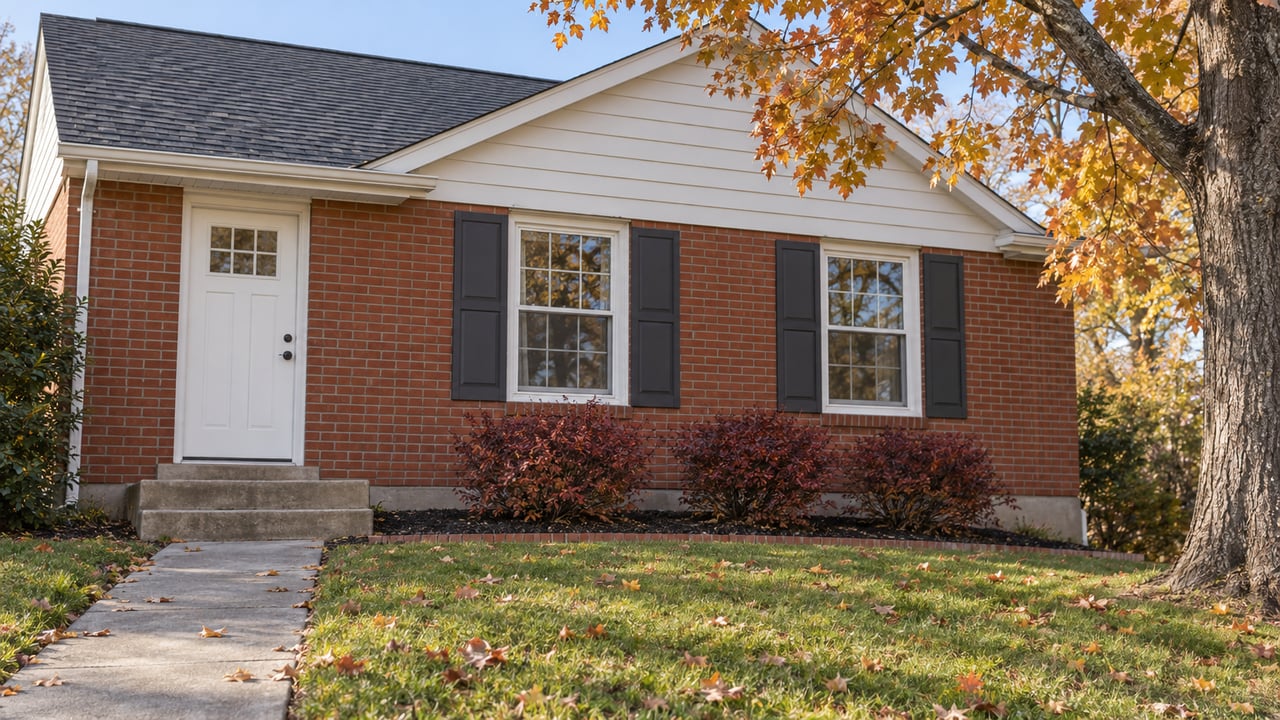
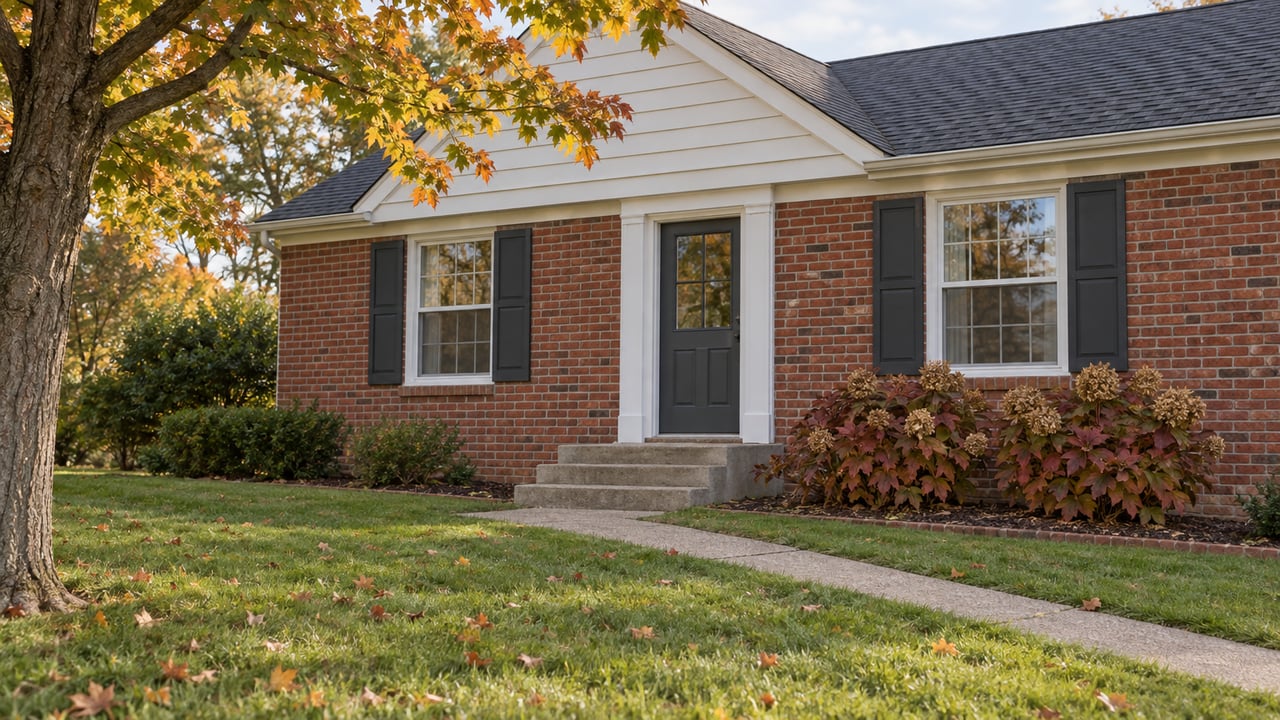
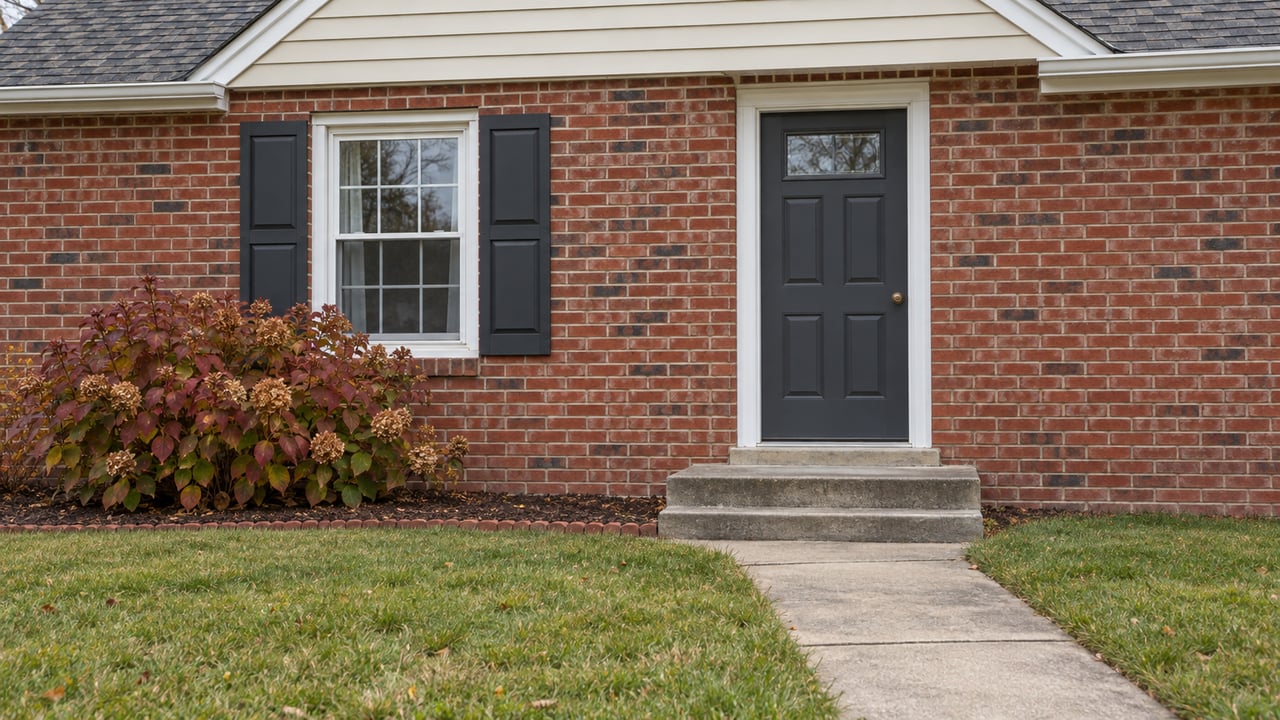
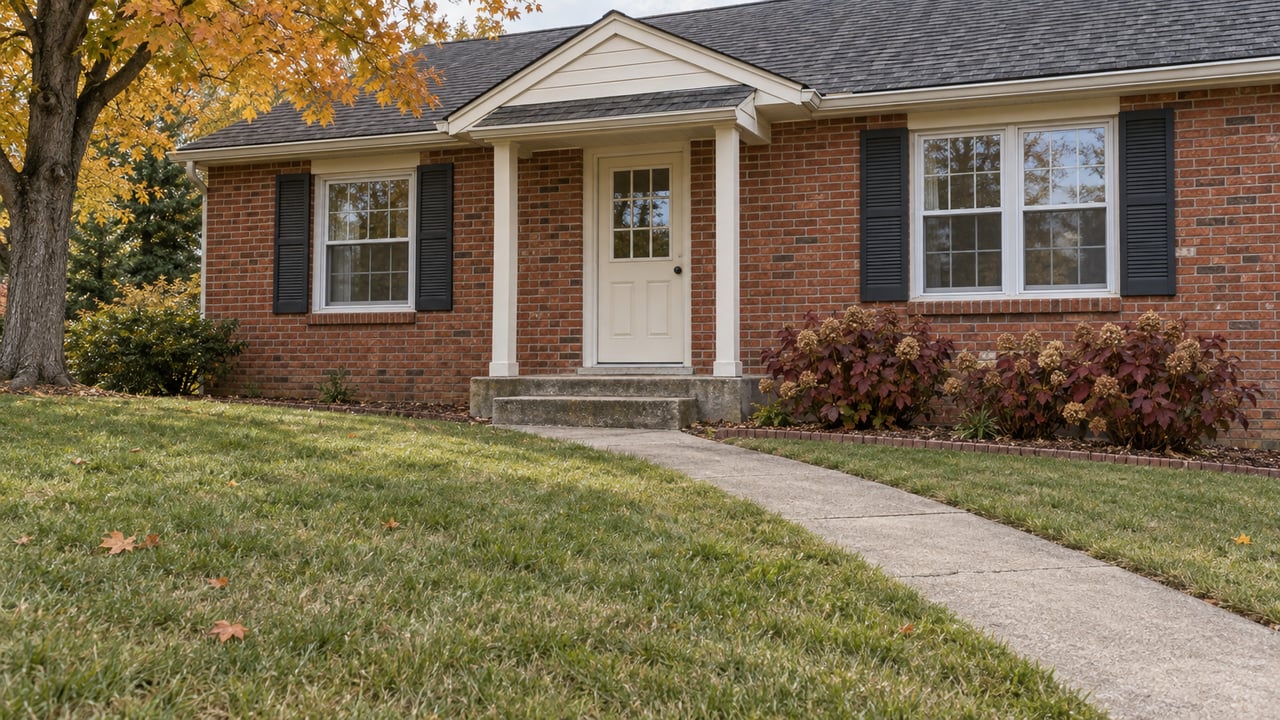
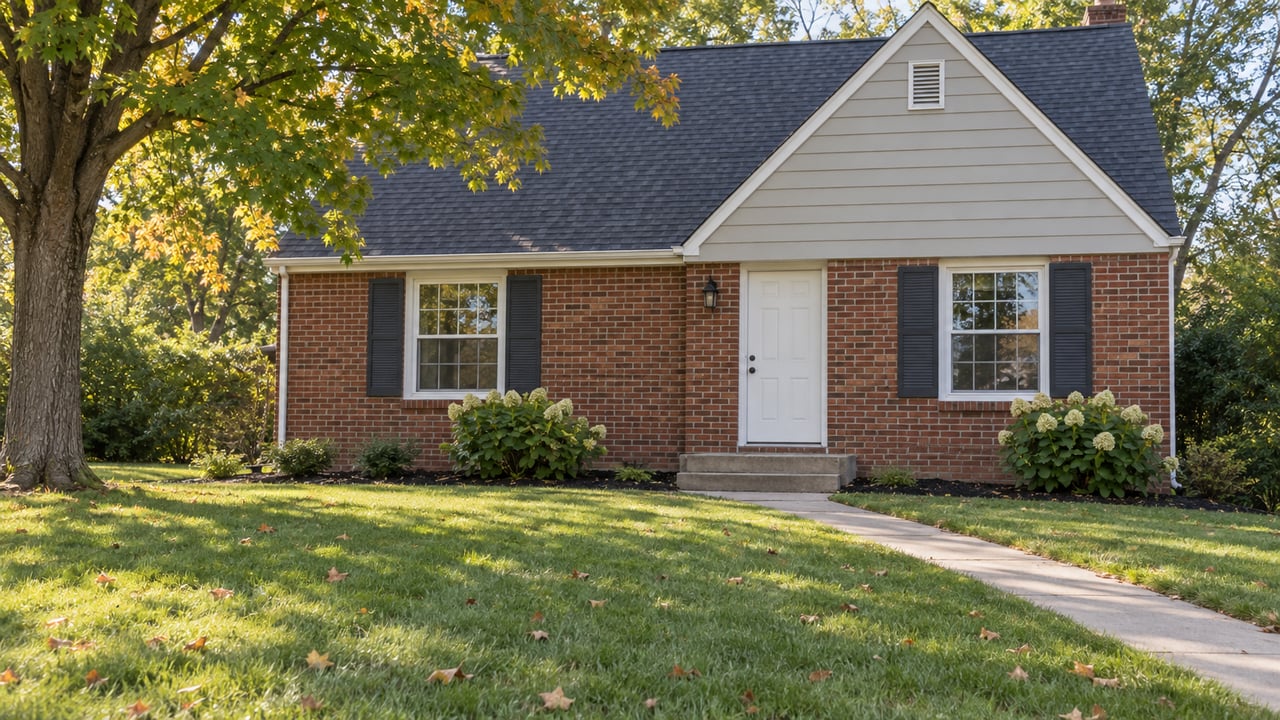
The low end of Simpsonville's market is decades-old subdivision stock. A home on Rolling Ridge Way sold for $252,000 in January 2026, a 1,878-square-foot house built in 1998. A house on Oak Ridge Court, built in 1989, sold in the same general range. These are the starter and move-up homes that show up when a search engine returns Simpsonville's "average" price, and they are nothing like what a buyer will find at the top of the same market.
The high end runs through large-acreage estate and golf-course product built for a completely different buyer. Cardinal Club Estates and its companion community, The Villas at Cardinal Club, sit on the Cardinal Club golf course and were built out by Key Homes LLC, with the Villas carrying monthly HOA dues of $140 plus a $175 annual assessment for common space and roads. According to the builder's own listing of available floor plans, the golf-course lots themselves are sold out, meaning new inventory in that specific footprint is now limited to whatever resells.
Above even that tier sit the multi-acre equestrian properties that give Simpsonville its identity as the American Saddlebred Horse Capital of the World. Closings on Shelbyville Road and Veechdale Road tell that story in real numbers: a home on Shelbyville Road closed at $1,825,000 in August 2025, another on Shelbyville Road closed at $1,750,000 in June 2025, and a Veechdale Road estate closed at $1,540,000 in December 2025. These are not outliers skewing a normal market. They are a separate market that happens to share a mailing address with $250,000 ranch homes from the 1990s.
New construction keeps feeding the entry and move-up tiers. Site work records show a 36-lot residential development in Simpsonville built out for Pulte Homes, with the earthwork, sewer, and road construction handled by Jeff Robards Construction; that project adds housing even as the golf-course lots at Cardinal Club run out. That pipeline is part of why the mix, and therefore the median, keeps shifting from one reporting period to the next.
What This Means If You Are Actually Pricing a Home
A town-wide median is close to useless for anyone trying to price a specific property in Simpsonville. The number that matters is the comp set inside your specific submarket, not the average of two submarkets that never compete against each other for the same buyer.
Some ways that plays out in practice:
- A seller in an older subdivision like Rolling Ridge or the Oak Ridge Court area should be comping against other 1980s and 1990s resale stock in that same subdivision, not against the town median that a golf-course estate closing just pulled upward.
- A buyer searching for a golf-course or acreage property should expect list prices well above whatever headline median a portal displays for "Simpsonville," since that median is diluted by decades-old subdivision resales.
- Anyone comparing Simpsonville to a neighboring Shelby County town on price alone should ask what mix of housing stock is driving each town's number. A town with more uniform housing stock will report a more stable median than one, like Simpsonville, that runs from $250,000 ranch homes to $1.9 million equestrian estates within the same zip code.
- Days on market numbers face the same distortion. Reported figures for Simpsonville have ranged from roughly 31 to 82 days depending on the source and the segment being measured, which tracks with a market where entry-level resales and luxury acreage properties move at genuinely different speeds.
None of this makes Simpsonville a confusing place to buy or sell. It makes it a place where the town-level number is the wrong tool, and the subdivision-level or property-type comp is the right one.
Common Questions
Is Simpsonville currently a buyer's market or a seller's market? It depends on which segment. Subdivision resales have generally moved faster, with some sources reporting days on market in the low 30s against a national average closer to 56 to 58 days. Golf-course and acreage properties have shown longer market times in the tracked data, closer to 80 days in at least one community-level source, which is consistent with a smaller, more selective buyer pool for that price tier.
What is actually driving demand for Simpsonville specifically? Its position on I-64, roughly 20 miles and about a 25-minute drive from downtown Louisville, gives it commuter access without Louisville pricing. The Outlet Shoppes of the Bluegrass provides a retail anchor inside the town itself. For the equestrian buyer, the town's standing as the American Saddlebred Horse Capital of the World and its stock of large-acreage horse properties are a draw that has nothing to do with commute time at all.
Is new construction still coming online? Yes, though unevenly across price tiers. Site work records show a 36-lot Pulte Homes development built out in Simpsonville, with grading and utility work handled by Jeff Robards Construction. At the same time, golf-course-adjacent lots at The Villas at Cardinal Club are reported sold out by the builder, meaning that specific product type is now limited to resales rather than new construction.
If you are trying to price a Simpsonville property, or figure out what a given price actually buys once you know which submarket you are in, that is exactly the kind of comp work worth doing before a listing goes live or an offer goes in. Sam Stone can pull the subdivision-specific numbers behind whichever number you saw on whichever site you happened to check first.
This article is general information, not legal, tax or financial advice. Consult a qualified professional about your situation.