Thinking about selling your La Grange home can feel exciting and overwhelming at the same time. You want a strong price, a smooth process, and a plan that helps your home stand out in a market where buyers are active but still paying close attention to value. The good news is that with the right pricing, preparation, and launch strategy, you can move from decision to closing with far more confidence. Let’s dive in.
Understand the La Grange market
Before you list, it helps to understand what the current market is really telling you. La Grange is a small but established Oldham County market, located along I-71 about 25 miles northeast of Louisville, with a recognizable downtown and county-seat setting that can add appeal beyond the home itself, according to the U.S. Census Bureau and the Oldham County Chamber of Commerce.
Recent housing snapshots show an active market, but not one where pricing mistakes get ignored. Redfin’s March 2026 data shows a median sale price of $306,750, 58 median days on market, and homes selling about 2% below list, while Realtor.com’s March 2026 overview shows a median listing price of $428,677, 50 median days on market, and a 99% sale-to-list ratio.
Those numbers do not match perfectly because each platform uses different methods and timeframes. The practical takeaway is simple: your pricing strategy should rely on current local comparable sales and active inventory, not just one online estimate.
Price your home for the first week
Your first week on the market matters more than most sellers realize. According to the National Association of Realtors 2025 Profile of Buyers and Sellers, homes that sold in two weeks or less received a median of 100% of asking price, while homes that sat longer often saw a bigger discount from list.
That does not mean you should underprice your home. It means you should aim for a price that reflects today’s buyer behavior, today’s competition, and your home’s actual condition.
In La Grange and Oldham County, recent sale-to-list ratios have hovered around 98% to 99%, based on Realtor.com and Zillow’s Oldham County market page. That tells you negotiation is normal, and it also shows why starting too high can cost you momentum.
Why overpricing can backfire
When a home launches above what buyers see as reasonable, the market often responds slowly. As days on market grow, buyers may assume something is wrong or expect a price cut.
NAR’s 2025 report also found that buyers typically searched for 10 weeks and viewed a median of seven homes before buying. In other words, today’s buyers are comparing options carefully, and they notice when a listing feels out of step with the market.
Prepare your home before listing
A confident sale usually starts before your home ever goes live. Buyers form opinions quickly, and visible condition issues can affect both interest and offers.
Your pre-listing plan should focus on deferred maintenance, clean presentation, and disclosure readiness. Even small updates like touch-up paint, landscaping cleanup, and minor repairs can help your home feel better cared for from the start.
Focus on condition buyers notice
You do not need to renovate everything to sell successfully. What matters most is addressing the items that affect first impressions and buyer confidence.
That often includes:
- Roof or gutter concerns that are visibly noticeable
- Plumbing leaks or water stains
- HVAC or system issues you already know about
- Damaged flooring, cracked tiles, or worn finishes
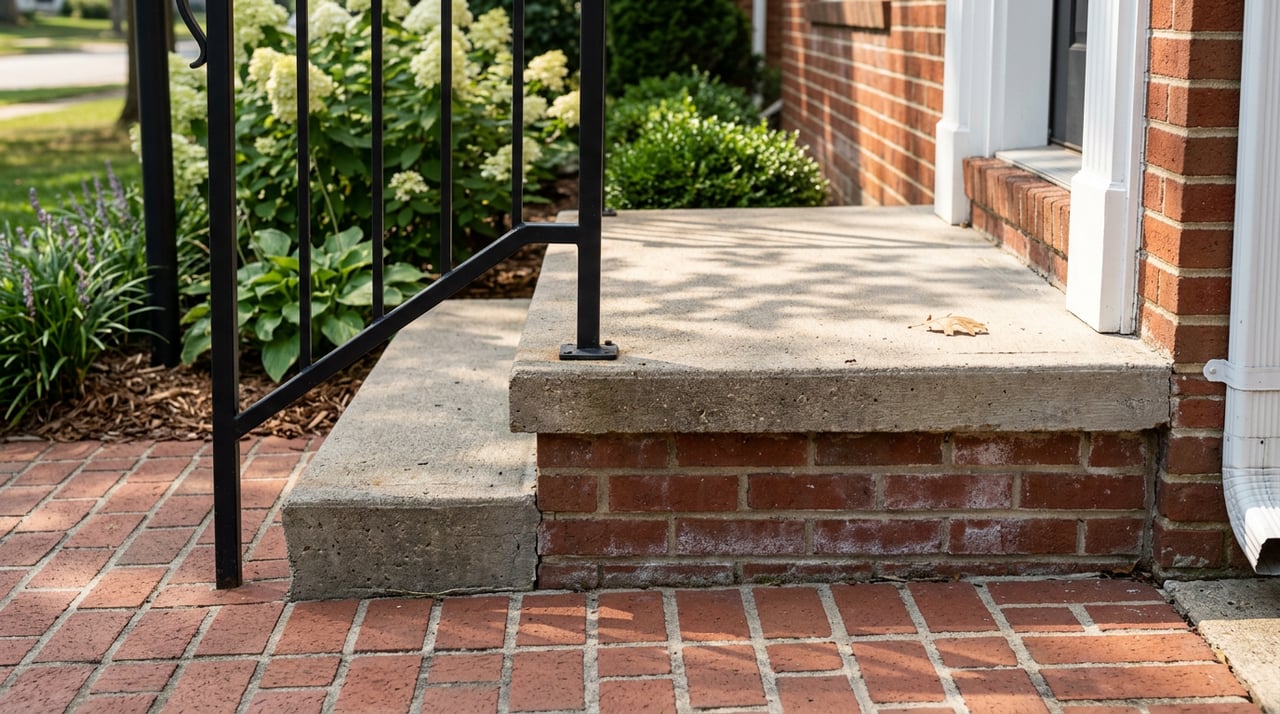
- Exterior maintenance such as peeling paint, overgrown shrubs, or cluttered entry areas
When your home looks well maintained, buyers are more likely to connect emotionally and feel comfortable making a strong offer.
Know Kentucky disclosure rules
In Kentucky, sellers are generally expected to complete the Seller’s Disclosure of Property Condition at the time of the listing agreement. The form covers issues such as basement leaks, roof leaks, water and sewer conditions, and the working condition of major systems.
The Kentucky Real Estate Commission disclosure form makes clear that the disclosure is based on your knowledge and is not a warranty. It also encourages buyers to obtain their own inspections, which is one reason honest reporting and repair documentation can make a real difference.
If your home was built before 1978, federal law may also require lead-based paint disclosures. The EPA’s real estate disclosure guidance says sellers must disclose known lead-based paint hazards, provide the required pamphlet, share available reports, and allow a 10-day inspection period unless that timing is changed in writing.
Disclosure helps protect your sale
Some sellers worry that disclosure will hurt their sale. In reality, clear and accurate information often builds trust and reduces surprises later.
When issues come up early, you have more control over how they are handled. That can help protect your timeline, your negotiating position, and your equity.
Market your home where buyers search
Most buyers start online, so your listing needs to look polished everywhere it appears. According to the NAR 2025 Profile of Buyers and Sellers, 52% of buyers found the home they purchased on the internet, 70% used a mobile or tablet device, and buyers found photos, detailed property information, floor plans, and virtual tours especially useful.
That matters because your listing photos and presentation shape buyer interest before anyone schedules a showing. In a market like La Grange, strong digital marketing is not an extra. It is part of the core strategy.
What a strong launch should include
A well-executed listing launch should give buyers a clear reason to visit your home in person. That usually means combining visual appeal, accurate pricing, and strong distribution from day one.
A smart launch strategy may include:
- High-quality professional photography
- Detailed listing copy with useful property information
- Floor plans or virtual tours when available
- MLS exposure and broad online distribution
- Social media promotion to expand reach
- Location-focused messaging that highlights La Grange access and character
For La Grange sellers, your marketing can also benefit from place-based details buyers may value, such as downtown character, the city’s railroad identity, county-seat convenience, and access to Louisville via I-71, as noted by the Oldham County Chamber of Commerce.
Expect negotiation and inspection steps
Getting an offer is a big milestone, but it is not the finish line. Most sales still move through inspections, appraisals, and a few rounds of negotiation before closing.
That is completely normal in La Grange. With local sale-to-list ratios around 98% to 99%, buyers and sellers are often meeting in the middle rather than landing exactly at list price.
Common pressure points after you accept an offer
Once you are under contract, a few issues can affect your timeline or net proceeds. The Consumer Financial Protection Bureau’s closing guidance notes that inspections, appraisals, and document review are common parts of the closing process.
You may need to navigate:
- Repair requests after the inspection
- A low appraisal
- Delays tied to lender or title work
- Questions about disclosures or documentation
- Timing issues around final move-out and possession
The key is not to panic when one of these comes up. A clear strategy and prompt communication can keep the transaction moving.
Plan for the closing stage
Closing is the final compliance and delivery stage of your sale. This is where the paperwork, timing, and financial details all come together.
According to the CFPB, buyers typically receive a Closing Disclosure at least three business days before closing. Sellers generally sign the deed and settlement documents, and depending on local practice, a closing agent or attorney may handle the process.
The Minnesota Attorney General’s seller handbook also notes that sellers may pay costs such as commissions, title-related fees, recording fees, and prorated taxes or assessments. While exact practices vary by transaction, it helps to review these numbers early so you know what to expect from your net proceeds.
Sell with more confidence
Selling your La Grange home is not just about putting a sign in the yard. It is about making informed decisions at each stage, from pricing and prep to marketing, negotiation, and closing.
When you approach the process with current local data, thoughtful preparation, and a strong digital launch, you put yourself in a better position to attract serious buyers and protect your bottom line. If you are ready for a clear plan and elevated listing support, connect with Sam Stone to start the conversation.
FAQs
What is the current home selling pace in La Grange, Kentucky?
- Recent market snapshots show median days on market in La Grange around 50 to 58 days, depending on the source and reporting window.
What disclosures are required when selling a home in Kentucky?
- Kentucky generally requires sellers to complete a Seller’s Disclosure of Property Condition at the time of the listing agreement, with certain exceptions such as some new construction, auctions, and court-supervised foreclosures.
What lead-based paint rules apply to older La Grange homes?
- If your home was built before 1978, federal law may require you to disclose known lead-based paint hazards, provide the EPA pamphlet, share available reports, and allow a 10-day inspection period unless changed in writing.
What helps a La Grange home stand out online?
- High-quality photos, detailed property information, floor plans or virtual tours when available, and broad online exposure can all help your home attract more buyer attention.
What happens after I accept an offer on my La Grange home?
- After you accept an offer, the sale usually moves through inspections, appraisal, title work, document review, and final closing steps before ownership transfers.