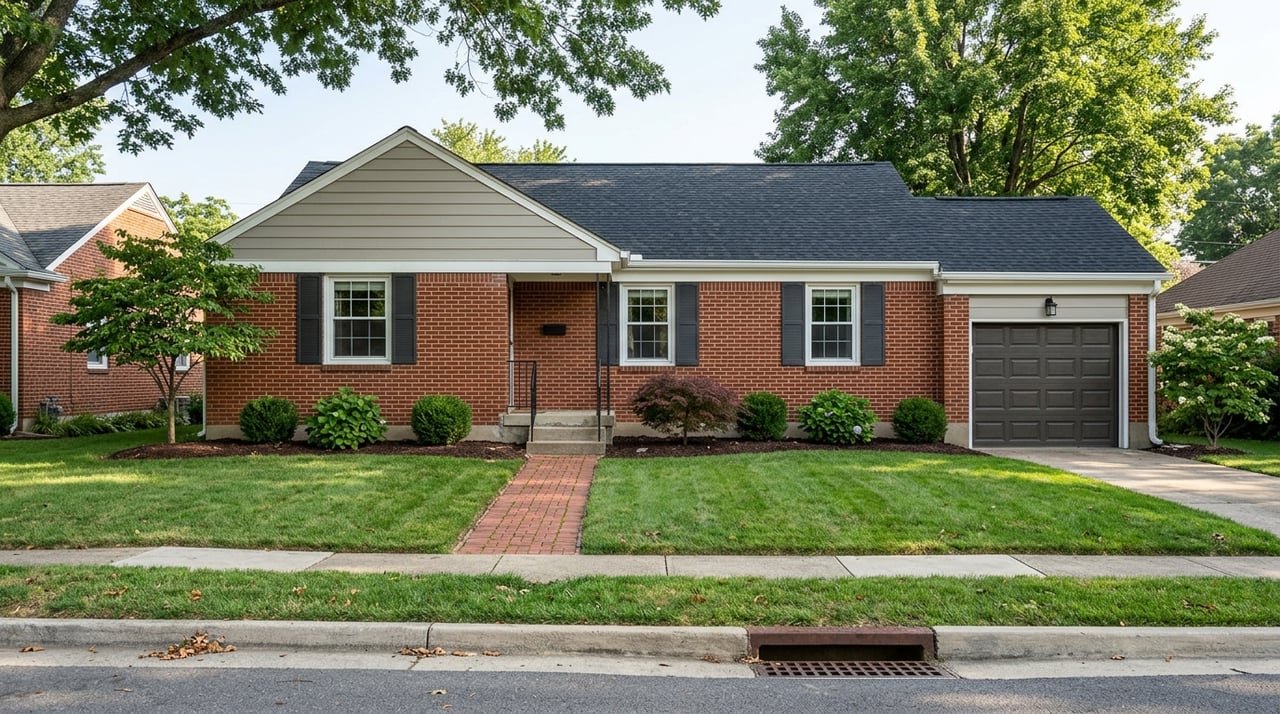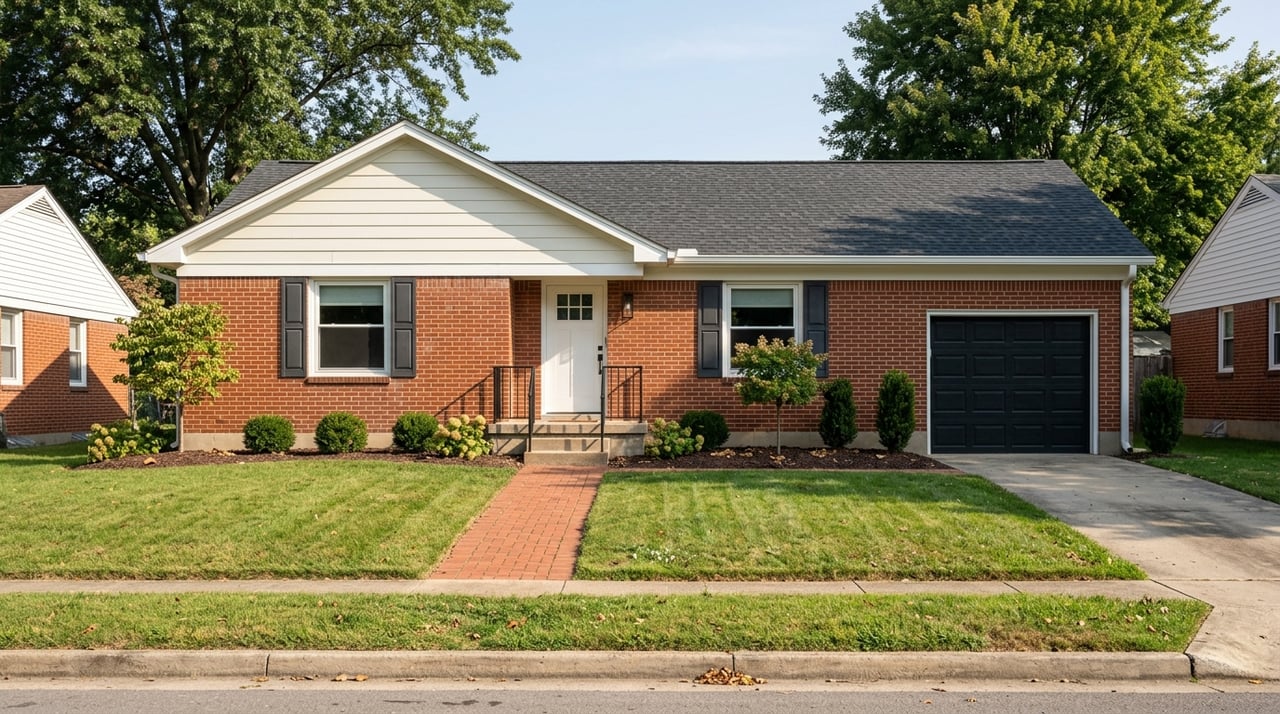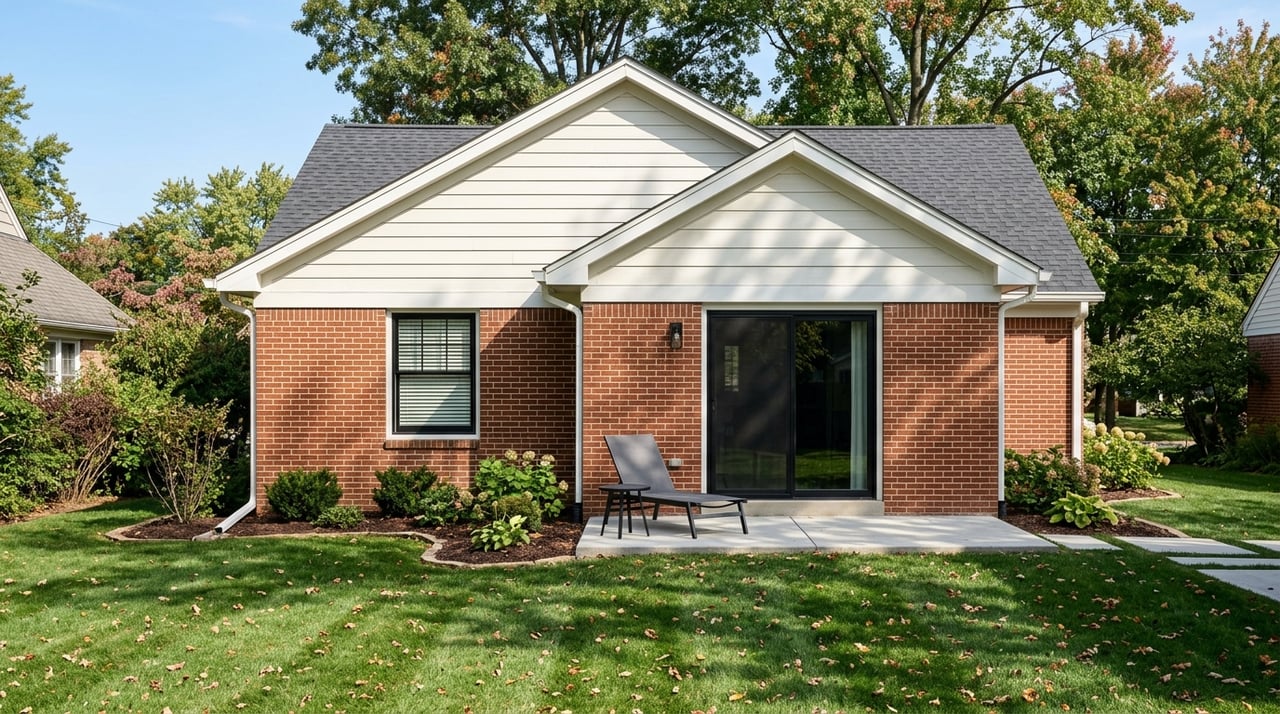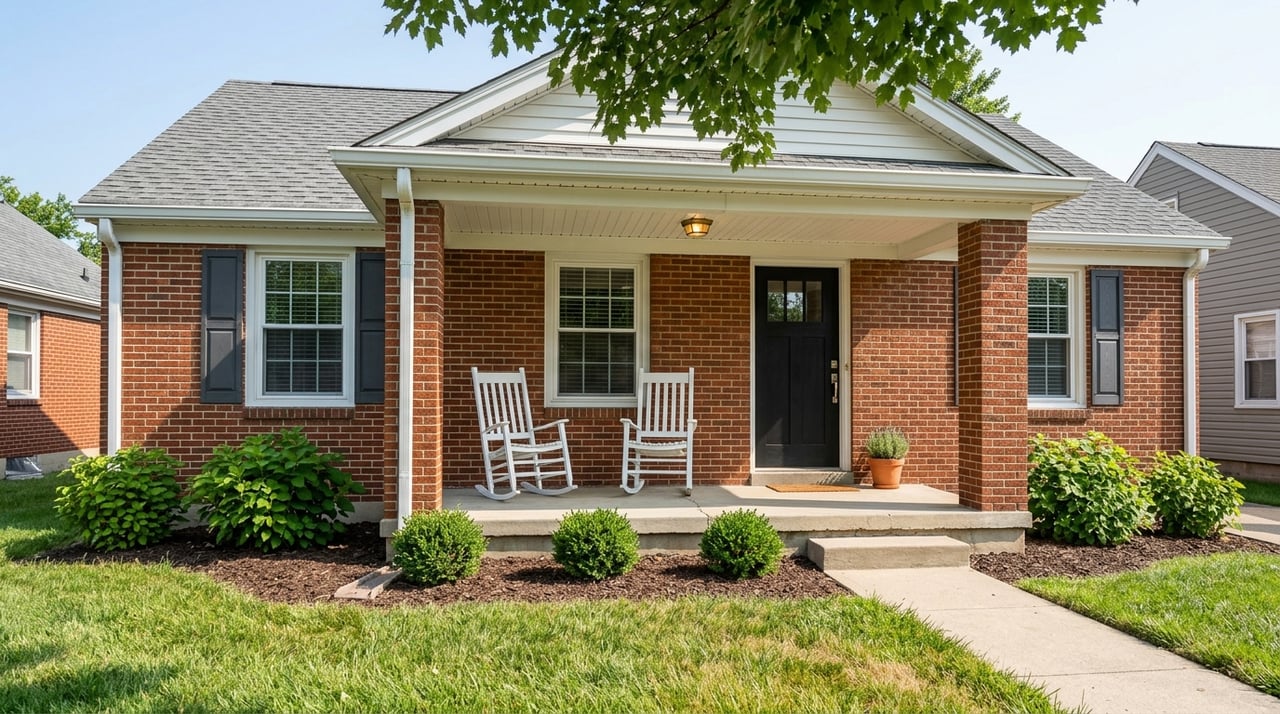
If you picture home as a place where neighbors wave from the porch, streets are lined with mature trees, and community life still feels personal, Pewee Valley may be exactly what you have been looking for. In a market where many buyers want both character and convenience, this small Oldham County city stands out for its historic setting, slower pace, and strong local identity. Here is what front-porch living in Pewee Valley really looks like, and why it continues to draw buyers who want more than just a house. Let’s dive in.
Why Pewee Valley Feels Different
Pewee Valley is a small city in Oldham County with a population of 1,588, according to Kentucky’s city directory. Its roots go back to 1852, when it began as Smith’s Station on the Louisville & Frankfort Railroad, before taking the name Pewee Valley in 1856 and incorporating in 1870. That history still shapes how the town feels today.
Unlike places that grew around dense commercial centers, Pewee Valley developed as a railroad-supported suburban community and summer vacation spot. That helps explain its residential feel, scenic setting, and relaxed rhythm. You get a town with historic depth, but one that still works well for people commuting to Louisville.
The town is often described in terms like pastoral beauty and village-like charm. Those phrases fit because Pewee Valley offers a setting that feels intentionally quieter and more connected to its surroundings. For many buyers, that is a big part of the appeal.
Front-Porch Living Starts With the Streetscape
In Pewee Valley, front-porch living is not just a design detail. It is part of the town’s physical character. Some of the clearest examples appear in the historic residential areas, where homes, lots, and tree cover all work together to create a welcoming street scene.
The Ashwood Avenue area is especially important to this story. The National Register nomination describes nine houses along Ash and Ashwood Avenue between LaGrange Road and Elm Avenue, with large landscaped lots, mature shade trees, and an intact historic streetscape. For buyers who notice how a street feels the moment they turn onto it, that kind of setting matters.
Many of the homes in that district date from about 1890 to 1936. Architectural styles include Queen Anne, Colonial Revival, Bungalow/Craftsman, American Foursquare, and English Cottage. Just as important, the area includes porch-forward features like full-width recessed front porches and wraparound porches that support the kind of everyday interaction people often imagine when they think of classic small-town living.
Tree-Lined Roads Add to the Mood
Pewee Valley’s streets were planned with atmosphere in mind. According to the Historical Society, Ashwood, Tulip, Elm, and Maple were laid out in 1866 as tree-named avenues under Henry Smith’s plan for quiet, tree-shaded streets. That original vision still comes through today.
When you drive or walk through these areas, the mature trees and established lots help create a sense of continuity. The streets do not feel rushed or overly built out. Instead, they feel residential in the best sense of the word.
That setting is a big reason Pewee Valley resonates with buyers who want charm that feels natural rather than manufactured. In many neighborhoods, curb appeal comes from the house alone. Here, the full street experience often does just as much work.
Historic Preservation Shapes Daily Life
Pewee Valley has an active preservation culture that helps protect the character buyers notice right away. The Historical Society says residents formed Historic Pewee Valley in 1987 to save Edgewood, and those efforts later helped establish the Ashwood Avenue and Central Avenue Historic Districts. That kind of local involvement says a lot about how the community values its built environment.
For buyers, preservation can mean more than saving old homes. It can help maintain the look, rhythm, and identity of a place over time. In Pewee Valley, that contributes to a town experience that feels cohesive rather than pieced together.
The Historical Society’s mission also includes the Pewee Valley Museum at Town Hall. That reinforces a simple point: this is a town that remembers its story and actively cares for it. If you value a sense of place, that can be a meaningful part of your home search.
Community Life Goes Beyond the Porch
Front-porch living is about more than architecture. It is also about having places and traditions that bring people together. In Pewee Valley, community life appears to be built around parks, local organizations, and long-standing events rather than a busy commercial district.
Central Park serves as the town’s main public gathering place. The city describes its parks as spaces for relaxation, recreation, and community gatherings, and Central Park includes walking trails, picnic areas, and benches. Oldham County Tourism also describes it as a small walking trail around a gazebo behind Town Hall.
Town traditions add another layer of connection. The city links the annual Yule Log celebration to Town Square, and public events include seasonal festivals, public meetings, and Shakespeare in the Park. These are the kinds of recurring activities that can make a small town feel active without feeling crowded.
Small, Local Gathering Spots Matter
Pewee Valley’s social life is also shaped by small, independent places. The city’s business information page lists a compact mix of businesses and services, including a coffee house, theater, event space, salon and spa businesses, insurance offices, and other providers. That points to a neighborhood-scale commercial environment rather than a large retail hub.
One example is Colonel Rooster’s Scones & Bean Haus at 220 Mt. Mercy Drive, which identifies itself as the town’s only coffee house. That detail says a lot about the scale of Pewee Valley. This is not a place built around endless options. It is a place where a few familiar spots can become part of your regular routine.
Other local anchors include 314 Exchange, a historic event space next to Central Park, and the Little Colonel Players at 302 Mt. Mercy Drive. Founded in 1956 through the Pewee Valley Women’s Club, the theater remains part of the town’s community fabric. These places support a lifestyle that feels local, involved, and personal.
Who Often Loves Pewee Valley
Pewee Valley tends to appeal to buyers who want older homes, larger lots, and tree-lined streets with a quieter identity. Its preserved districts, park space, and community organizations support a porch-centric, neighborly lifestyle. If you are drawn to places with real civic memory, this town may feel like a strong match.
This setting may especially resonate with character-home buyers, move-up buyers, and empty nesters who want charm without giving up access to Louisville. At the same time, buyers who want a dense retail district or nightlife-focused environment may find Pewee Valley less aligned with their day-to-day preferences. The town’s official business listing supports that more residential, community-driven profile.
That does not make one lifestyle better than another. It simply means Pewee Valley has a clear personality. If that personality matches what you want, your home search can become much more focused.
What Buyers Should Notice When Touring Homes
When you tour homes in Pewee Valley, it helps to look beyond square footage and finishes. The setting often plays a major role in value and day-to-day enjoyment. In a place known for historic streets and porch-forward homes, context matters.
Pay close attention to features like lot size, tree cover, porch design, and how the home sits on the street. Notice whether the block feels cohesive and whether the surrounding homes contribute to the same sense of character. In Pewee Valley, those details can shape your experience just as much as the layout inside.
You may also want to think about how close you are to places like Central Park, Town Hall, or Mt. Mercy Drive gathering spots. For buyers who want a more connected small-town rhythm, that proximity can be a real benefit. A local, neighborhood-first search strategy often works especially well here.
Why Local Guidance Matters Here
Pewee Valley is not the kind of market you understand from broad county-level data alone. Its appeal is tied to street patterns, historic character, and the small details that make one block feel different from another. That is why local market knowledge matters.
If you are buying in a place like this, you want guidance that helps you evaluate both the home and the lifestyle around it. You also want a clear sense of how Pewee Valley compares with nearby communities in Oldham County and the Louisville area. That kind of insight can help you move with more confidence when the right property comes along.
Whether you are searching for a character-filled home or thinking about how to position a Pewee Valley property for sale, a neighborhood-specific approach is key. In a market where charm and context matter, thoughtful representation can make a real difference.
If you are exploring Pewee Valley and want practical, local insight on buying or selling in this unique pocket of Oldham County, connect with Sam Stone. You will get responsive guidance, neighborhood-focused expertise, and a strategy built around your goals.
FAQs
What is front-porch living in Pewee Valley, KY?
- Front-porch living in Pewee Valley refers to a lifestyle shaped by porch-forward historic homes, tree-lined streets, larger lots, and a community atmosphere built around local parks, events, and gathering places.
What makes Pewee Valley, KY feel unique?
- Pewee Valley stands out for its railroad-era history, village-like setting, preserved historic districts, mature trees, and quieter residential character within commuting distance of Louisville.
What types of homes support front-porch living in Pewee Valley?
- Homes in the Ashwood Avenue area include styles such as Queen Anne, Colonial Revival, Bungalow/Craftsman, American Foursquare, and English Cottage, with features like full-width recessed porches and wraparound porches.
What community amenities are available in Pewee Valley, KY?
- Pewee Valley offers places and traditions such as Central Park, walking trails, picnic areas, park benches, seasonal festivals, Shakespeare in the Park, the Yule Log celebration, local theater, and a small coffee house.
Who is Pewee Valley, KY a good fit for?
- Pewee Valley often appeals to buyers who value historic character, tree-lined streets, larger lots, and a quieter community identity rather than a dense retail or nightlife-focused setting.
Why should buyers use local guidance in Pewee Valley real estate?
- Local guidance can help you understand the small differences in streetscape, historic character, and neighborhood feel that often shape value and lifestyle in a market like Pewee Valley.