Buying your first home in Mount Washington can feel exciting and a little overwhelming. You want clear numbers, simple steps, and a plan that fits your budget. In this guide, you’ll learn what starter homes cost locally, how to finance with popular Kentucky programs, what to expect with inspections and appraisals, and the key costs to budget. Let’s dive in.
Market basics in Mount Washington
As of early 2026, entry-level homes in Mount Washington typically land in the mid-$200Ks to mid-$300Ks. Different data providers report different snapshots, which is normal. Treat this as a working range and ask your agent to check the latest MLS updates before you start touring.
What you can expect at this price point:
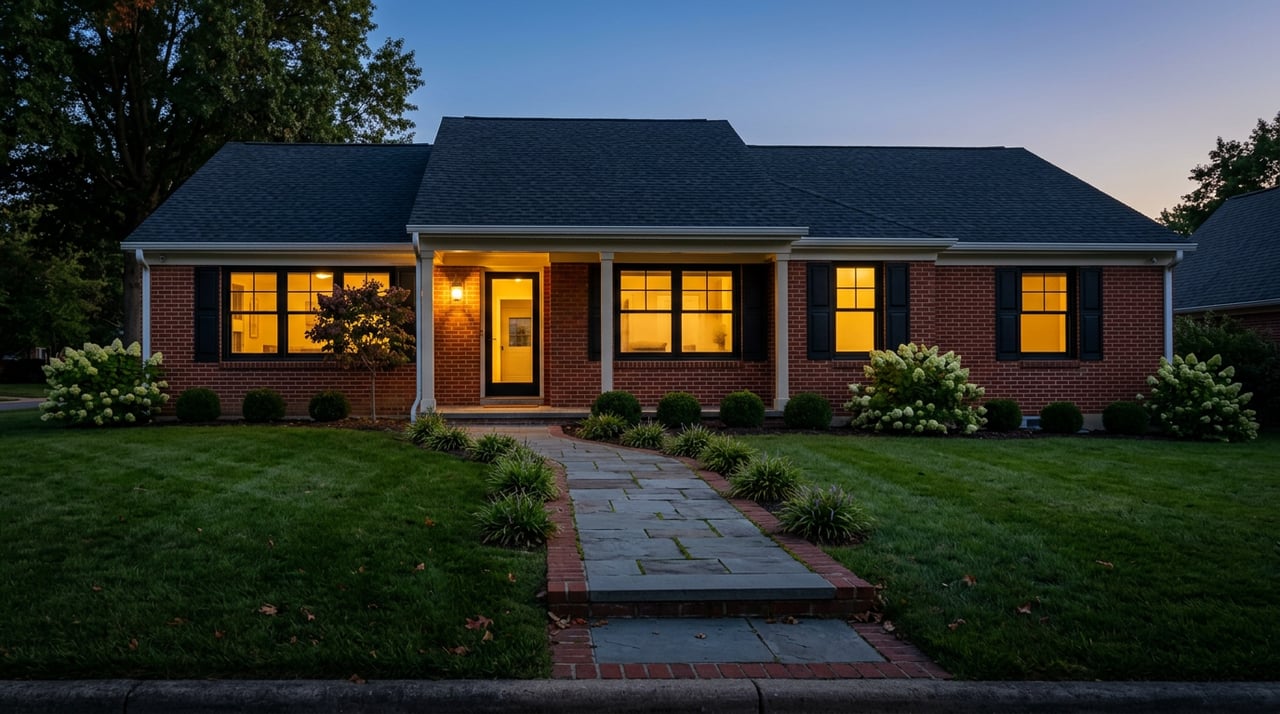
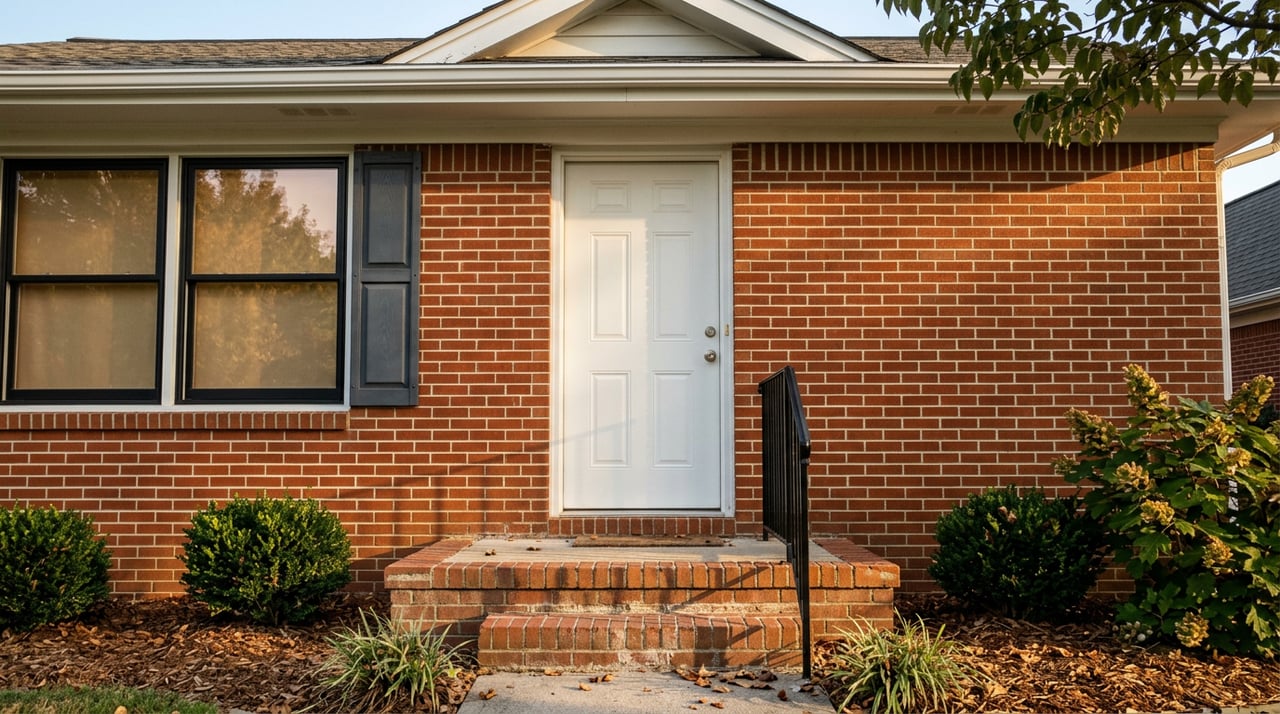
- Small single-family homes, often ranch or split-level layouts.
- Many 2–3 bedroom homes in the 1,000 to 1,800 square foot range.
- Price swings based on lot size, updates, and commute-friendly locations.
Where first-timers find homes
You’ll see three main options:
- Older neighborhoods with post-1950s ranch or split ranch homes that may need cosmetic updates.
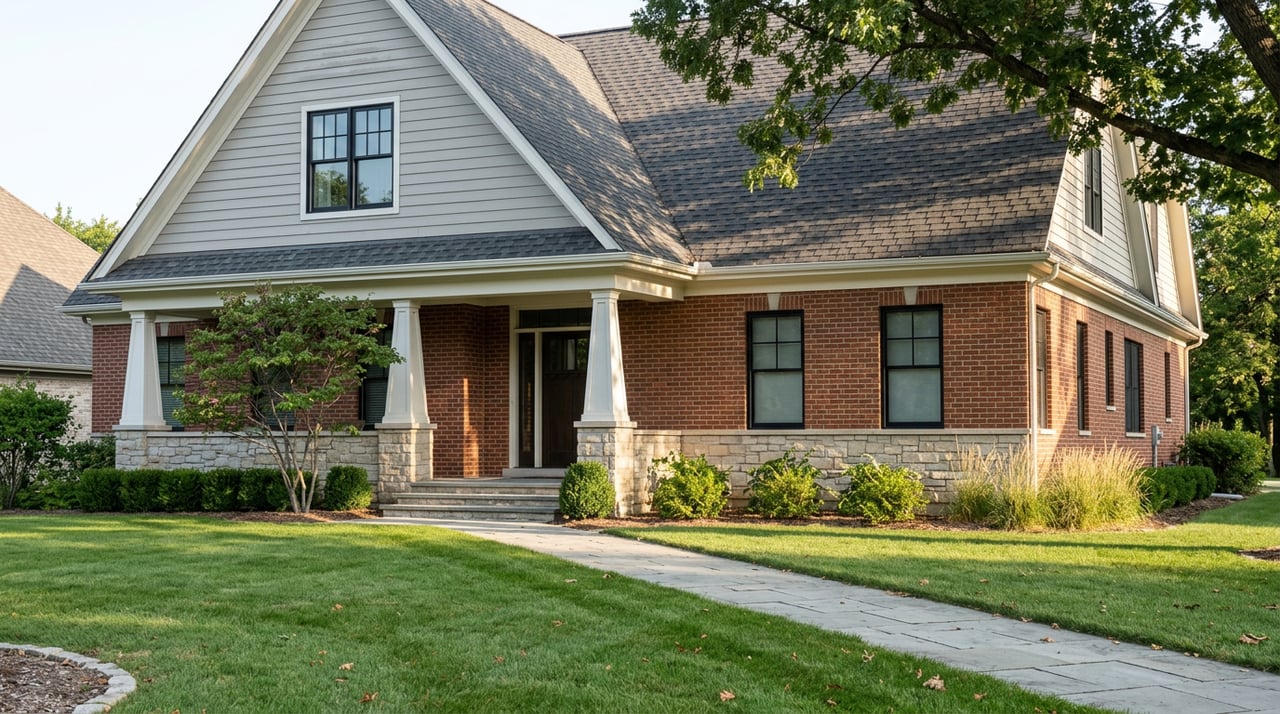
- Modest new construction in local subdivisions with phased releases.
- Fewer condos than in larger cities, so single-family homes dominate.
Set alerts and watch for new phases in small developments. If you want less maintenance up front, target newer builds or recently updated homes.
Financing options that fit
Most first-time buyers in Kentucky compare four main paths: conventional, FHA, VA, and USDA, sometimes paired with state down payment help.
FHA basics
FHA loans allow a minimum 3.5% down payment for borrowers who meet credit and underwriting rules. FHA loans include upfront and annual mortgage insurance and require the home to meet condition standards. Learn more about the FHA minimum down payment.
VA for eligible veterans
VA-backed loans commonly allow no down payment and no PMI for qualifying borrowers. You will need a Certificate of Eligibility and must meet lender guidelines. Review VA home loan benefits.
USDA in eligible areas
USDA Rural Development loans can offer zero down if the property address qualifies and you meet income and underwriting rules. Eligibility is address specific, so check the USDA property eligibility notes or ask your lender to run the map.
Conventional loans
Conventional loans can be competitive if you have stronger credit and down payment savings. Your lender can compare monthly payments and mortgage insurance with FHA to see what fits your budget best.
Down payment help from KHC
The Kentucky Housing Corporation offers down payment assistance that pairs with a KHC-approved first mortgage. KHC’s Regular DAP provides up to $12,500 as a repayable second mortgage, typically over 15 years, subject to program income and purchase price limits. Program amounts and terms can change, so review current details and ask a participating lender about stacking assistance with your loan. Explore Kentucky Housing Corporation down payment assistance.
Your mortgage prep checklist
Get your numbers right before you fall in love with a house.
- Get pre-approved, not just pre-qualified. Gather pay stubs, W-2s, tax returns, and bank statements.
- Compare FHA, conventional, VA, and USDA options with a local lender.
- Ask about KHC down payment assistance and how it pairs with your loan.
- Budget for closing costs of roughly 2% to 5% of the purchase price, plus inspection and appraisal fees.
- Leave a small cushion for appraisal-required repairs and escrow prepaids.
Inspections and safety tests
Kentucky purchase contracts usually include an inspection window. You choose a licensed inspector and pay for the report.
What inspectors check
A standard home inspection reviews roof, exterior, foundation, attic and insulation, HVAC, electrical, plumbing, and interior safety items. Common findings include roof age, drainage or moisture in basements or crawlspaces, panel and wiring issues, and aging HVAC. Ask for contractor estimates on major items so you understand costs before negotiating.
Radon in Bullitt County
State and federal guidance notes elevated radon potential in many parts of Kentucky. Include a radon test in your contingency period and request a mitigation quote if levels are high. See the EPA guidance on radon testing.
Lead paint in older homes
For homes built before 1978, federal rules require seller disclosures related to lead-based paint. Consider testing if you see peeling or chipping paint in older properties. Review the EPA lead-based paint rules.
Appraisals and how to respond
Your lender orders an appraisal to confirm the home’s market value. If the appraised value is lower than your contract price, financing is based on the lower number. You typically have four options if this happens:
- Renegotiate the price with the seller.
- Bring additional cash to cover the gap.
- Ask your lender to pursue a reconsideration of value with better comps.
- Use your appraisal contingency to cancel if allowed by your contract.
For a step-by-step overview of these choices, read about options when an appraisal comes in low.
Closing costs, taxes, and disclosures
Buying a home involves several costs beyond your down payment.
- Closing costs. Budget about 2% to 5% of the purchase price for lender fees, appraisal, title and attorney fees, prepaid insurance and taxes, and escrow deposits.
- Property taxes. Bullitt County’s effective property tax rate is roughly 0.85% based on statewide county data. That means an illustrative bill on a $300,000 home is about $2,560 per year. Exact amounts depend on taxing districts, exemptions, and assessed value. Review the Tax Foundation county property tax data, and verify a property’s current assessment with the Bullitt County PVA.
- Seller disclosures. Kentucky requires a Seller’s Disclosure of Property Condition form in most residential sales. Expect to receive it early in the process. See the Kentucky Seller’s Disclosure of Property Condition.
Offer money and closing logistics
- Earnest money. It is common to include earnest money with an accepted offer as a good-faith deposit. Typical ranges are 1% to 3% of the offer price or a flat amount like $1,000 to $3,000, depending on the home and market. It is usually held by a title company, escrow agent, or closing attorney and credited to you at closing. Learn more with these earnest money basics.
- Who closes your purchase. In Kentucky, a title company and often a closing attorney handle title search, escrow, title insurance, and settlement. Always follow the closing agent’s wire instructions and confirm by phone using a known number for security.
Get local help
Your path to a first home is easier when you know what to expect and have a local plan for financing, inspections, and negotiations. If you want a clear, step-by-step game plan for Mount Washington, connect with Sam Stone for neighborhood insights, smart offer strategy, and a smooth closing.
FAQs
How much cash do I need to buy in Mount Washington?
- Plan for your down payment based on loan type, plus earnest money, inspection and appraisal fees, and closing costs of about 2% to 5%. If you qualify, Kentucky Housing Corporation down payment assistance can help close the gap.
What do inspections in Bullitt County usually find?
- Common issues include roof age, basement or crawlspace moisture, older electrical panels or wiring, and aging HVAC. Include a radon test and request quotes for any major repairs before negotiating.
Should I test for radon or lead in Mount Washington homes?
- Yes. The EPA guidance on radon testing recommends testing, and federal rules require lead-paint information for pre-1978 homes. Add both to your inspection plan when applicable.
What happens if my appraisal comes in low on a Bullitt County home?
- You can renegotiate price, bring extra cash, request a reconsideration of value, or cancel under an appraisal contingency if your contract allows. See common options when an appraisal is low.
How are property taxes estimated for Mount Washington purchases?
- A common estimate uses Bullitt County’s effective rate of about 0.85% of the home’s value. That is roughly $2,560 per year on a $300,000 home. Verify the exact bill with the local PVA before you finalize your budget.